The Monarch Migration: The Butterflies That Return for Día de Muertos
Every fall, millions of monarch butterflies fly up to 3,000 miles from Canada and the United States to the mountain forests of central Mexico, arriving right around Día de Muertos, or Day of the Dead. In Mexican tradition, they are welcomed as the returning souls of the dead, and that is why the monarch sits at the heart of everything I make
Where do monarch butterflies go in the winter?
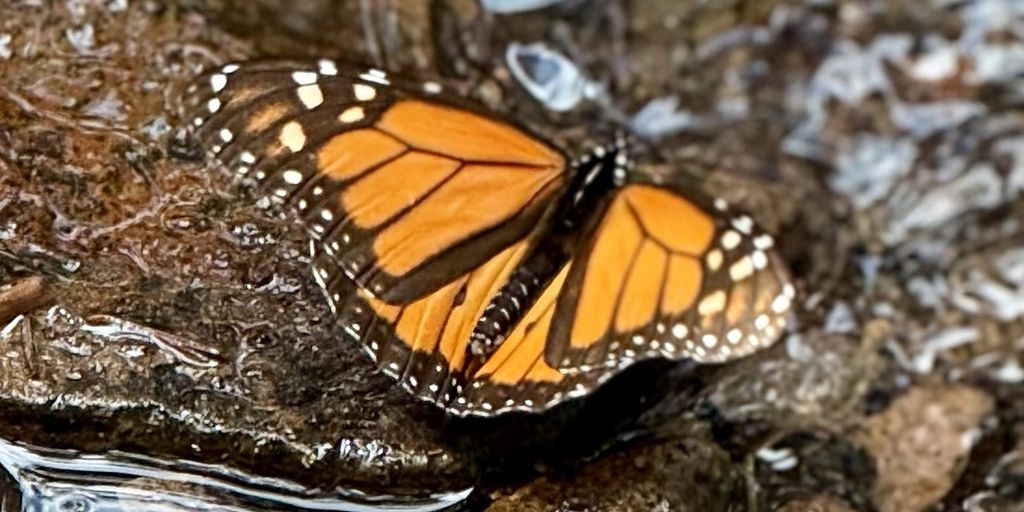
Each autumn, as the cold settles in up north, eastern monarchs begin a long flight south. They funnel down through the middle of the continent and land, at last, in the oyamel fir forests high in the mountains of Michoacán and the State of Mexico. There they cluster by the millions, so many on a single tree that the branches bend under their weight. With their wings folded, the clusters look almost like dry, gray brown leaves, until the sun warms them, the wings open, and the forest suddenly flashes orange.
These forests are protected as the Monarch Butterfly Biosphere Reserve, a UNESCO World Heritage Site. The butterflies spend the winter there, resting in the cool mountain air, until spring sends them north again
How do monarchs know the way?
This is the part that gives me chills. No single butterfly makes the whole round trip. It takes several generations to complete the cycle, and the butterflies born in spring and early summer live only about two to six weeks. But the generation born at the end of summer is different, a kind of super generation that lives for months instead of weeks, long enough to fly all the way to Mexico and wait out the winter.
And somehow, though they have never once been there, these butterflies find their way to the very same forests their great great grandparents left the spring before. Scientists have learned a great deal about how they navigate, using the sun and an inner sense of direction, but the full mystery has never been completely solved. They simply carry the way home inside them.
If you have ever wondered whether we can hold a map no one handed us, whether something can be passed down that we cannot see, the monarch is a pretty good answer. So many of us carry strength we did not know we inherited, from mothers, from the women who became like mothers to us, and from women we never even met, and we only find it when the season turns and we have to.
Why are monarch butterflies connected to Día de Muertos?
The monarchs reach Mexico around the end of October and the start of November, the same days families are building their ofrendas for Día de Muertos. For many communities in Michoacán and the State of Mexico, including the Purépecha and Mazahua peoples, that timing has never felt like a coincidence. The returning butterflies have long been seen as the souls of loved ones, coming home for their yearly visit.
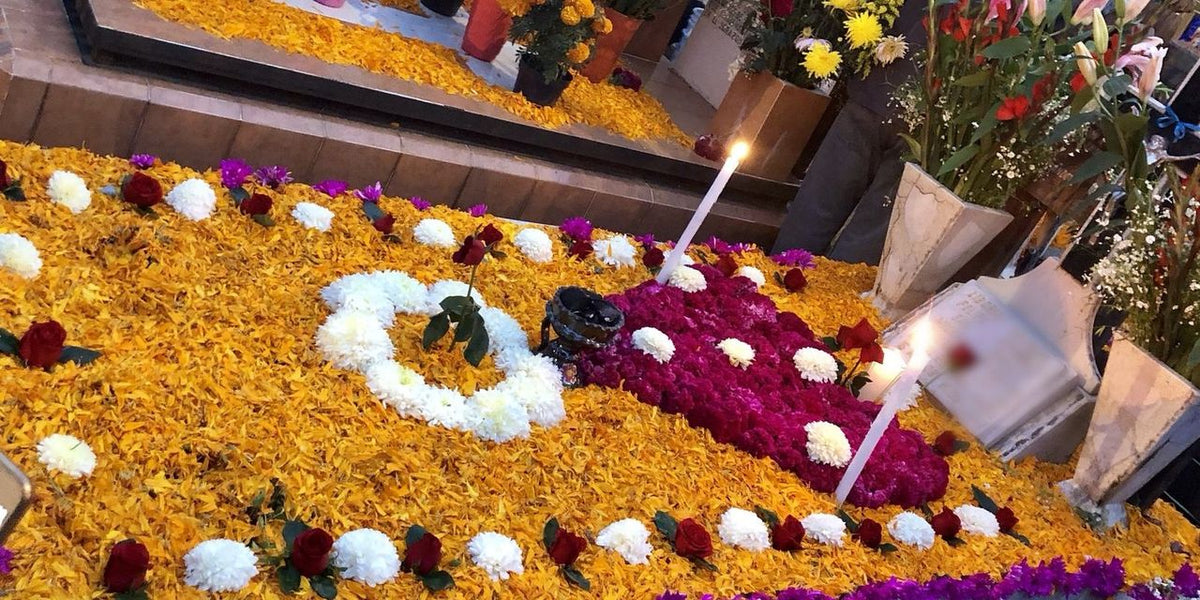
Sit with that for a moment. The same days families set out marigolds and candles to guide their loved ones back, the sky over the mountains fills with orange wings that traveled thousands of miles to arrive right on time. If you are building an ofrenda of your own this season, here is how to build an ofrenda from the very beginning
What is it like to see the monarchs in person?
I have stood in one of these forests myself, at El Rosario, the largest of the sanctuaries, and it was awe inspiring. I rode horseback partway up the mountain, which gave me a beautiful vantage point on the climb, and then walked the rest of the way into the colony. At first I did not even realize what I was looking at. The tree trunks seemed covered in rough brown bark, until I looked closer and saw that it was not bark at all. It was butterflies, thousands upon thousands of them, with huge brown clusters hanging from the branches, completely still.
Then the sun came out. As the air warmed, the clusters began to open and lift, and within minutes the monarchs were literally everywhere. They were so thick in the air that they cast shadows on the ground. They covered the wildflowers, and they gathered at the puddles left from the rain the day before, drinking. I have never seen anything like it, and I have never forgotten it
Where and when can you see the monarch butterflies in Mexico?
The monarchs spend roughly November through March in Mexico, and the sanctuaries usually open to visitors from mid November until the butterflies leave in spring. The best known are El Rosario and Sierra Chincua in Michoacán, and Piedra Herrada and El Capulín in the State of Mexico. Late December through February tends to bring the fullest clusters.
Go on a warm, sunny day, ideally around midday, when the butterflies warm up, lift off the branches, and fill the air around you. On a cold or cloudy morning they stay tucked together on the trees, still beautiful, but quiet. Be ready for a hike at high altitude, or a horseback ride partway up, and take your time. The forests sit well above 9,000 feet, and the air is thin.
When you get there, move gently. Stay on the trails, keep your voice low, and never touch or pick up a butterfly, even one on the ground. The colonies are fragile, and the people who protect these forests ask visitors to treat them like the sacred places they are.
Why is the monarch at the heart of everything I make?
The monarch is not just a pretty symbol to me. It is my brand’s namesake, it is in the title of my novel, and it is tattooed on my own skin, alongside the marigold and the heart. In Monarch of the Heart, the butterfly is the quiet promise running underneath the whole story, that we are built to transform, that we can travel through the dark and still find our way home, and that love, like the monarchs, keeps coming back.
If you want to carry that reminder with you, the Monarch Bracelet from the Courage Collection is the piece closest to the book. And if the monarchs are calling you to Mexico, go. My Follow the Monarchs journey takes you into the sanctuaries of Michoacán, with time in Morelia and Pátzcuaro, and my free reader’s travel guide walks through what to know before you go.
With much love for the journey,
Carrie